

How to Transfer a Dental Clinic in Spain: A Complete Step-by-Step Guide
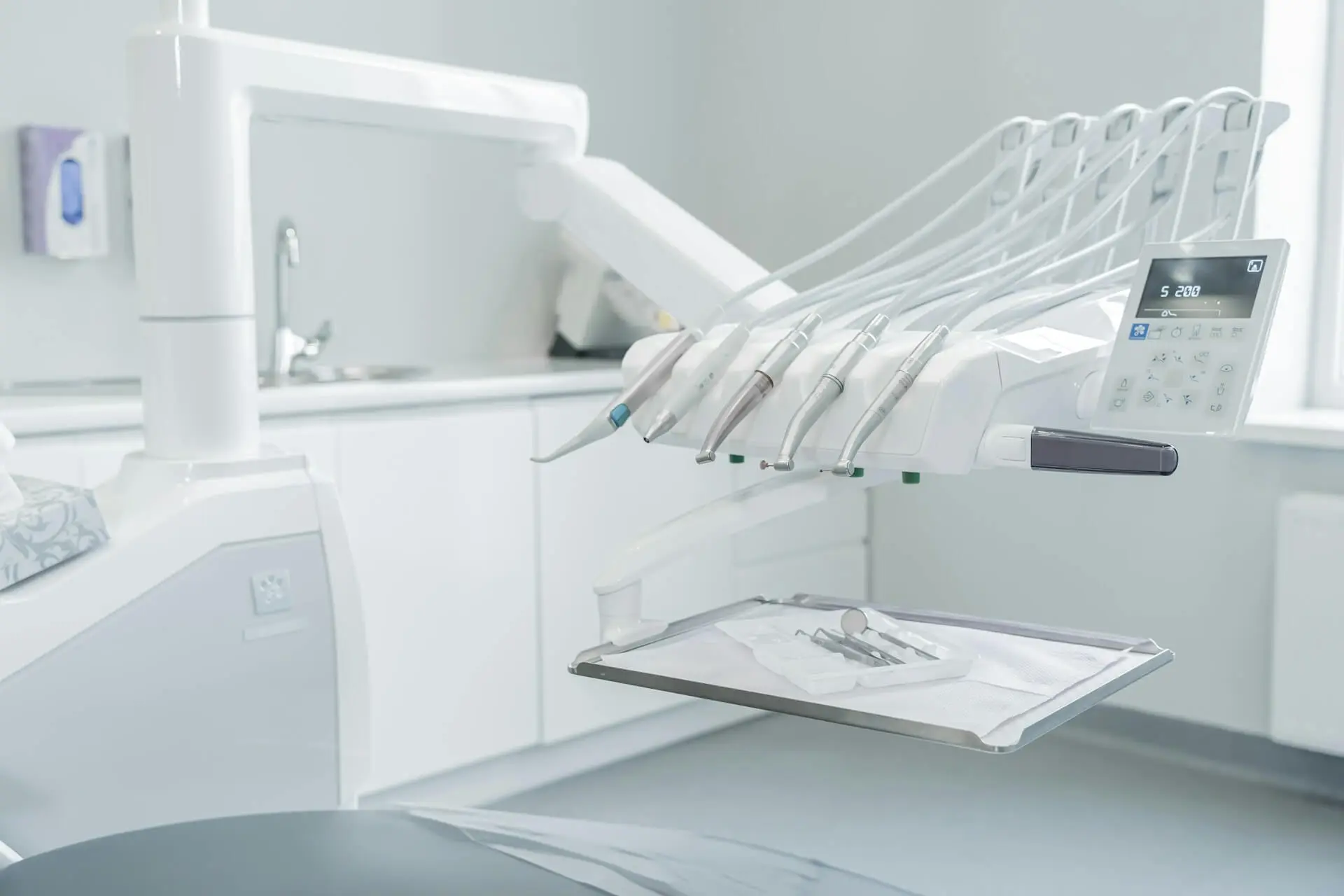
Transferring a dental clinic requires precise management of health, legal, financial and operational elements. The process involves transferring a regulated activity that includes licences, specialised equipment, qualified staff and a patient base that must be handled in full compliance with current regulations. This guide offers a detailed and professional overview of each stage, aimed at owners seeking a safe, profitable and well-structured transfer within the Spanish dental market.
What Does It Mean to Transfer a Dental Clinic and How Is It Different from Selling One?
Transferring a dental clinic means transferring an operating activity with its resources, processes and established patient base. Unlike selling a company, where shares or ownership are transferred, the transfer assigns the business operation and the elements required to continue running it. It is a common option for independent clinics looking to ensure service continuity and reduce start-up risks for the buyer.
Transfer vs. Sale vs. Lease: Legal and Practical Differences
A transfer assigns the operation of the business; a sale transfers full ownership; and a lease grants temporary usage rights. Each option carries different contractual, fiscal and regulatory implications. The choice depends on the clinic’s legal structure, the owner’s goals and the specifics of the transaction.
What Is Usually Included in a Dental Clinic Transfer
A dental clinic transfer typically includes clinical equipment, dental chairs, digital radiology, instruments, management software, patient base, health licences and essential contracts. It may also include furniture, sterilisation systems, maintenance agreements and staff. All components must be listed in a clear, verified inventory to prevent discrepancies.
Benefits of Transferring a Dental Clinic
For the buyer, a transfer enables immediate operation without the cost and complexity of setting up a new clinic. For the owner, it converts accumulated value into liquidity and provides an orderly exit from the business. This approach ensures continuity, reduces financial risks and speeds up the transition.
How Much Is a Dental Clinic Worth? How to Calculate the Transfer Price
The value of a dental clinic is based on its financial performance, treatment mix, equipment condition, patient stability and digital reputation. A professional valuation grounded in real data helps justify the price and build trust with potential buyers. Clear, well-presented information is essential for speeding up negotiations.
Financial Valuation (Revenue, EBITDA and Actual Profit)
The economic value is determined by analysing revenue, operating margin, adjusted EBITDA and monthly stability. Fixed costs, income variation and treatment composition are also reviewed. Presenting consistent, verifiable data is key to demonstrating profitability and attracting qualified buyers.
Patient Portfolio and Intangible Value
The patient base is one of the most influential factors in determining price. Buyers examine the volume of active patients, visit frequency, loyalty levels and treatment recurrence. A strong, well-maintained portfolio creates predictable income and increases perceived value for buyers.
Condition of Equipment and Technology
Clinics with modern equipment, digital radiology, intraoral scanners and updated autoclaves typically command higher prices. Wear, obsolescence or lack of maintenance can reduce value or trigger renegotiations. Providing maintenance records and technical reports increases credibility.
Location, Online Reputation and Visibility
Location significantly affects patient acquisition. High-traffic areas with good accessibility and low competition are more attractive. Online reputation, including reviews, visibility and digital presence, also plays a crucial role, as it enhances buyer confidence and strengthens the market position of the clinic.
Key Indicators Buyers Evaluate
Buyers assess indicators like first visits, treatment acceptance rates, patient recurrence, operating costs and average margin per treatment. These metrics help estimate future performance and investment risk. Clear, well-documented metrics strengthen negotiations.
Common Mistakes When Pricing a Clinic
Owners often base pricing on historical investment rather than current performance. Other common mistakes include incomplete documentation, ignoring equipment condition and overlooking local competition. These issues can reduce buyer interest or delay the sale.

Looking to sell or transfer your business?
Publish it easily and connect with people interested in starting their own business, with the level of confidentiality you choose.
Publish nowRequired Documentation to Transfer a Dental Clinic
Documentation is essential for a secure transfer. It includes financial reports, licences, contracts, inventories and health protocols. Keeping all documents updated and organised accelerates due diligence and reduces potential risks. Clear and transparent presentation supports buyer confidence and decision-making.
Mandatory Health Licences and Authorisations
Owners must provide the health operating licence, municipal permits and technical certificates. These documents confirm compliance with regulatory standards. Updated licences are essential to ensuring operational continuity for the buyer.
Business Contracts (Lease, Staff, Technical Maintenance)
Buyers need to review the lease agreement, assignment conditions, employment contracts and technical maintenance agreements. These influence operating costs and long-term commitments. Presenting organised and updated contracts helps streamline economic assessments.
Verified Financial and Accounting Information
Balance sheets, profit and loss statements, VAT filings and income/expense records must be available. Transparent financial documentation prevents discrepancies and supports accurate evaluation. Providing complete, verifiable data strengthens negotiation quality.
Clinical Documentation and Sterilisation Protocols
Required documents include sterilisation protocols, waste management procedures, autoclave controls and radiation protection plans. These demonstrate regulatory compliance and operational quality. Proper organisation facilitates a smoother transition and minimizes legal risks.
Updated and Detailed Equipment Inventory
The inventory must include all equipment, condition, purchase dates and maintenance history. This document helps determine fair value and avoids disputes. A precise inventory ensures stronger legal and operational certainty during the transfer.
How to Prepare Your Dental Clinic Before the Transfer
Preparation significantly affects the perceived value of the business. Organizing documentation, improving the clinic’s appearance, updating equipment and enhancing digital presence help attract buyers faster. A tidy, well-presented clinic conveys professionalism and reduces friction during audits and visits.
Review of the Premises and Equipment Condition
Ensuring functional equipment and a well-maintained facility builds immediate buyer confidence. Minor repairs or cosmetic improvements can positively impact perception. The goal is to present a clinic ready for uninterrupted operation.
Updating Data, Software and Patient Records
Management software must be updated, and patient records should be complete and well structured. This facilitates operational continuity and reflects good internal organisation. Data transfer must comply with GDPR to ensure legal security.
Improving Metrics to Increase Valuation
Enhancing indicators such as first visits, treatment acceptance rates and patient recurrence can increase the clinic’s value. Implementing simple commercial measures in the months before the transfer strengthens profitability and justifies a more competitive price.
Strengthening Online Presence and Digital Reputation
Improving online presence through updated websites, positive reviews and optimised Google Business Profile boosts credibility. Strong digital reputation attracts more buyers and can positively impact the perceived market value of the clinic.
Steps to Transfer a Dental Clinic: Practical Guide
The transfer process should follow a structured sequence that ensures clarity and safety. From valuation to contract signing, each stage requires specific documentation, transparency and strategic planning. A methodical approach reduces risks, prevents misunderstandings and increases the likelihood of a successful transfer.
1. Obtain a Professional Valuation
Professional valuation determines the real market value using financial performance, patient base, equipment condition and location. This supports a competitive and justified asking price. Accurate valuation speeds up negotiations and increases buyer trust.
2. Organise Financial and Health Documentation
Preparing all documentation before starting the transfer accelerates due diligence and avoids delays. Clear, well-organised files reflect professionalism and support accurate assessment. Proper preparation attracts qualified buyers.
3. Set a Market-Adjusted Asking Price
Pricing should reflect real data and align with the local market. An appropriate price increases buyer interest and reduces time to sale. Overpricing typically reduces inquiries and delays the process.
4. Prepare the Premises and Inventory
Tidying the premises, verifying equipment and preparing a complete inventory improves overall presentation. Small improvements can significantly influence buyer perception. A clean, well-documented workspace strengthens decision-making.
5. Publish the Listing on Specialised Platforms
Listing your clinic on specialised platforms helps reach qualified buyers. A detailed, well-structured listing enhances visibility and increases the quality of inquiries. Choosing the right platform is crucial for success.
6. Manage Buyer Visits and Due Diligence
Visits must be handled professionally, showing real operations and addressing buyer questions. Due diligence should be transparent across financial, technical and health aspects. A smooth review process builds confidence and speeds up closing.
7. Negotiate Conditions, Timelines and Terms
Negotiations must cover price, inventory, deadlines and operational conditions. Clear agreements reduce risks and prevent misunderstandings. Professional negotiation contributes to an orderly and satisfactory transition.
8. Sign the Transfer Agreement
The contract outlines price, inventory, licences, responsibilities and timelines. It must be reviewed thoroughly to ensure all details are included. A complete agreement provides legal security for both parties.
9. Optional Post-Transfer Support (If Agreed)
Though not mandatory, some parties agree on a short support period to ease the transition. This helps maintain operational stability and reassures patients. It is a common practice in the dental sector.
Looking to sell or transfer your business?
Publish it easily and connect with people interested in starting their own business, with the level of confidentiality you choose.
Publish nowLegal and Tax Considerations in a Clinic Transfer
Transferring a dental clinic requires compliance with specific fiscal and legal obligations. Depending on the structure, the operation may be subject to VAT or transfer tax. Proper handling of licences, clinical records and responsibilities is essential to ensure a safe, risk-free transaction.
Applicable Taxes in a Dental Clinic Transfer
Depending on the transaction structure, VAT may apply or the operation may be exempt as a transfer of a going concern. It is also important to consider taxation on the seller’s profit. Proper tax planning prevents unexpected liabilities.
Cost Allocation Between Buyer and Seller
Buyers typically assume the transfer price and some associated costs, while sellers must have all obligations up to date. Administrative or advisory costs may be mutually agreed upon. Documenting these terms prevents future disputes.
Transfer of Clinical Records and Data Protection
The transfer of clinical records must comply with GDPR and healthcare regulations. Data can only be transferred under lawful continuity-of-care conditions. Incorrect management can lead to penalties, so proper procedures are critical.
Liabilities and Health Compliance Risks
Buyers must confirm regulatory compliance to avoid assuming previous liabilities. Reviewing protocols, licences and documentation mitigates risks. A pre-transfer health compliance audit is strongly recommended.
Key Clauses in the Transfer Agreement
The contract must include inventory, price, deadlines, licences, responsibilities, warranties and additional agreements. It may also include confidentiality and non-compete clauses. A well-drafted contract ensures legal certainty.
How to Find Buyers for a Dental Clinic
Selling a dental clinic requires a targeted approach to attract qualified buyers. Publishing on specialised platforms, protecting confidentiality and presenting clear information are key to accelerating the process. Strong visibility improves inquiry quality and negotiation outcomes.
Best Channels to Advertise a Dental Clinic
Specialised platforms and business transfer portals attract most potential buyers. Listing on these channels enables exposure to dentists, investors and healthcare professionals. A clear, professional listing boosts visibility and interest.
Most Common Buyer Profiles
Typical buyers include dentists seeking expansion, professionals starting a clinic or investors entering the healthcare sector. Identifying these profiles helps tailor information and present the business more effectively.
Do You Want to Transfer Your Dental Clinic?
If you are ready to transfer your dental clinic, traspasso.com allows you to publish your listing with professional visibility and maximum online reach. Our platform connects owners with interested buyers directly, helping you receive real inquiries and accelerate the process, without intermediaries or additional commissions.
Publishing your dental clinic on traspasso.com is the most direct and effective way to reach entrepreneurs, investors and sector professionals. Gain immediate exposure, protect confidentiality and showcase your clinic to buyers actively seeking operating businesses.