

How to Transfer a Gym in Spain: Professional Guide 2026
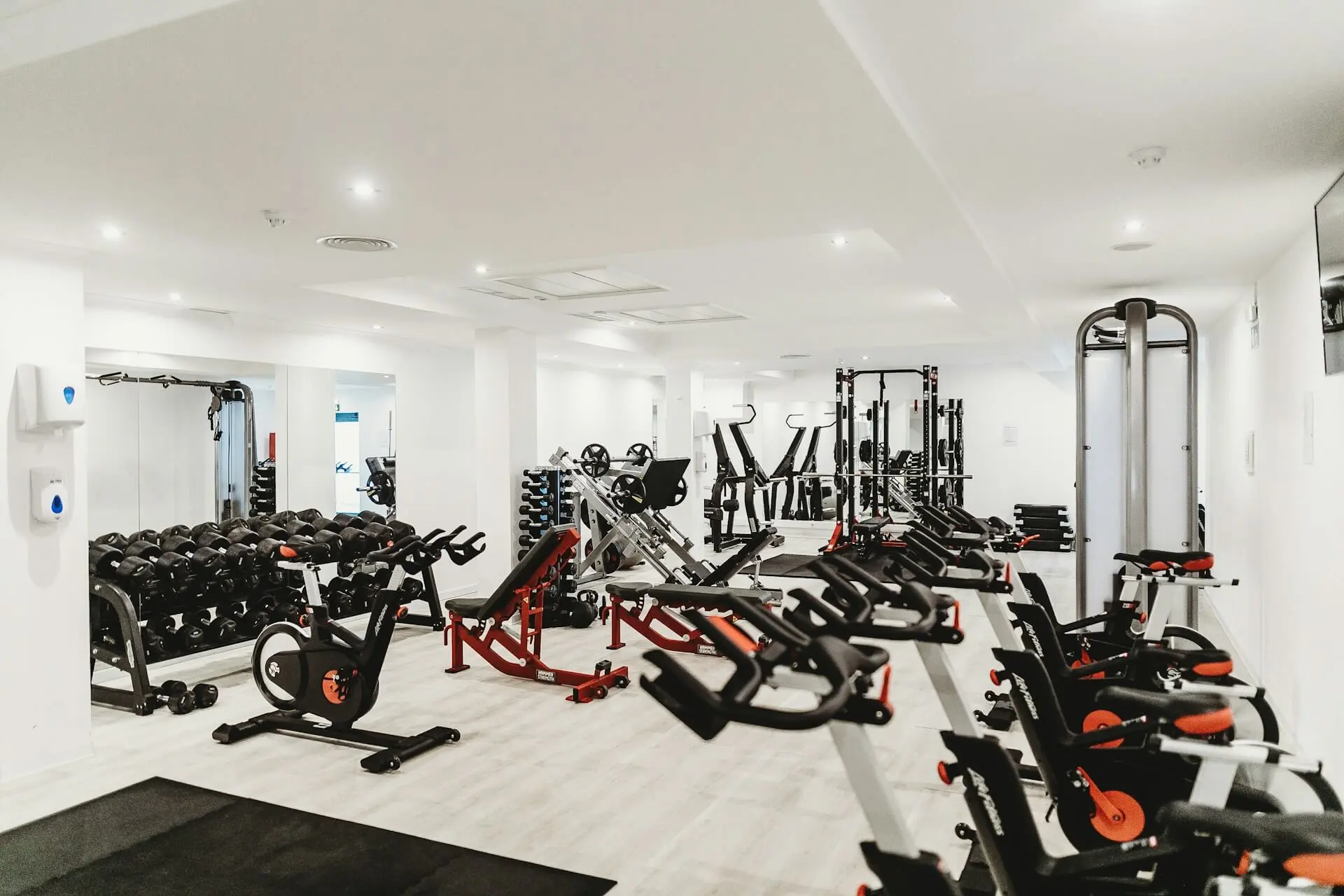
The fitness and health sector has experienced unstoppable growth in recent years, making sports centres highly attractive assets for investors and entrepreneurs. Knowing exactly how to transfer a gym is essential to ensure the operation is profitable for the seller and offers real viability guarantees for the buyer.
Unlike other commercial businesses, the buying and selling of a gym involves critical and highly specific factors. It is not just about transferring a physical space; it involves high-value machinery, strict soundproofing regulations and a recurring revenue model based on member fees that must be closely analysed.
In this detailed guide, we will analyse all the legal, financial and operational requirements needed to carry out this transaction with complete security. Whether you want to know how to sell a gym you have built through hard work, or if you want to know how to buy an operating gym to start generating revenue from day one, you will find the exact steps to follow right here.
What is a gym transfer and what does it entail?
The transfer of a sports centre is a commercial operation through which the current owner assigns to a third party the right to carry on running the business. This assignment includes all tangible and intangible elements necessary so that the activity suffers no interruptions and clients can continue training normally.
In legal and operational terms, this transaction covers the transfer of operating licences, furniture, strength and cardio equipment, IT systems and the active client database. It also implies assuming the current labour contracts of the employees and the subrogation of the premises lease agreement in case the property is not owned by the seller.
Understanding this definition is vital to avoid confusing a transfer with a simple liquidation of assets. The main value of this legal mechanism lies in acquiring a productive unit that already generates income, avoiding long bureaucratic waiting times and the inherent risk of opening a business from scratch.

Looking to sell or transfer your business?
Publish it easily and connect with people interested in starting their own business, with the level of confidentiality you choose.
Publish nowWhy is it profitable to buy an operating gym?
Acquiring an operational sports business presents immediate competitive advantages over creating a new project. The main strength lies in the cash flow. By having a portfolio of active members paying their monthly fees, the new owner has income from the very day they take over management, greatly facilitating financial planning and investment amortization.
Furthermore, commercial uncertainty is removed. A gym that has been open for years already has a reputation in its area of influence, demonstrable user retention metrics and an established team that knows the daily operations. All this drastically reduces the risk of failure assumed by novice entrepreneurs.
- Revenue: an operating gym bills from day one thanks to active memberships. Opening from scratch means months of losses until you reach break-even.
- Licences and permits: in a transfer they are already granted and ready for the change of ownership. A new opening means slow procedures, noise inspections and possible construction halts.
- Equipment: installed, tested and ready for immediate use, against high initial costs of buying, transporting and assembling machinery.
As seen in the comparison, certainty is the greatest asset. Buying an already positioned centre allows the investor to focus on implementing improvements, optimising marketing and launching new services, rather than getting bogged down in initial bureaucracy.
How to calculate the transfer price of a gym: Key factors
Determining a fair and realistic price is one of the biggest challenges in the buying and selling of a gym. The seller usually has an emotional attachment to their project, while the buyer seeks the fastest possible return on investment. To reach a balanced agreement, it is essential to perform a technical valuation based on objective and auditable data.
Valuation of machinery and sports equipment
The first tangible element to evaluate is the equipment inventory. Treadmills, spinning bikes, power racks and dumbbells represent a massive capital investment. However, this equipment suffers rapid accounting and technological depreciation. It is necessary to inventory each machine, check its manufacturing year, its maintenance status and its current market value in the second-hand sector.
It is also essential to verify the ownership status of this equipment. Many modern sports centres operate through equipment rental or leasing contracts. If the machines are not directly owned by the seller, the buyer will have to take over these finance contracts, which directly lowers the final transfer price.
Goodwill: Active members, fees and retention
The true financial engine of a fitness centre is its goodwill. It is not simply about counting how many people are enrolled, but analysing the quality of that database. The monthly recurring revenue, the churn or client rotation rate and the type of contracted rates must be audited.
A centre with five hundred members paying annual fees in advance has a very different risk profile than one with a thousand members paying month to month with no minimum term. The loyalty of the users, the brand's reputation in the neighbourhood and the exclusive training programmes make up a highly valuable intangible that must be professionally quantified.
Condition of the premises and current profitability
The third pillar of the valuation is the pure financial health of the business and the conditions of the physical space. It is necessary to analyse the EBITDA of the last three fiscal years to confirm that the company generates real profits once operating expenses, salaries and basic supplies such as electricity and water, which are usually high in this sector, are deducted.
The condition of the facilities plays a determining role. If the HVAC system is outdated, if the changing rooms need a comprehensive renovation, or if there is dampness in the shower areas, the buyer will have to inject capital in the short term. These future necessary renovations must be deducted from the initially proposed sale price.
Looking to sell or transfer your business?
Publish it easily and connect with people interested in starting their own business, with the level of confidentiality you choose.
Publish nowSteps and legal requirements to transfer your sports centre
Once an economic agreement is reached, the bureaucratic phase begins. A lack of rigour at this point can lead to severe penalties or even the closure of the premises. It is imperative to follow an orderly process to ensure both parties comply with current legislation.
1. Activity licences and municipal regulations
City councils demand very restrictive regulations for training spaces. Before signing any contract, the buyer must demand the original opening licence and check with the town hall that there are no open enforcement proceedings. It is vital to certify that the premises comply with current regulations regarding soundproofing, emergency exits, cross ventilation and accessibility for people with reduced mobility.
If the regulations have changed since the premises opened, the city council may require costly updates when requesting the change of ownership. Verifying this point through a technical professional will save the new owner very unpleasant surprises.
2. Subrogation of the premises lease agreement
The Urban Leases Law allows the lease agreement to be assigned to a third party without needing the prior consent of the property owner, provided the original contract does not state otherwise. However, the landlord has the legal right to increase the monthly rent by twenty percent when this assignment occurs.
It is highly recommended to sit down and negotiate with the landlord before closing the transfer. A smart investor will seek to sign a completely new lease agreement that guarantees at least ten years of stability at the location, justifying the long-term investment they are about to make.
3. Personnel management (instructors, trainers and cleaning staff)
The Workers' Statute dictates that in a company succession, the new owner subrogates all the labour rights and obligations of the previous employees. This means that gym floor instructors, receptionists and cleaning staff maintain their seniority, their professional category and their salaries intact.
The buyer inherits any wage or Social Security debt left by the seller. For this reason, it is strictly necessary to request certificates of being up to date with payments to public administrations and carefully review all labour contracts before signing.
Common mistakes when buying or selling a gym (and how to avoid them)
Inexperience in corporate operations leads many owners and investors to make mistakes that can completely ruin the project's profitability. Knowing these pitfalls is the first step to safely dodging them.
Among the most serious mistakes regularly detected in this sector are the following:
- Hiding recent member cancellations: Many sellers inflate their database by including inactive members or those who have just cancelled. The buyer must demand real bank statements proving that monthly direct debits are actually being collected.
- Ignoring maintenance costs: Strength and cardio machines need constant servicing. Buying a centre with obsolete machinery thinking it will last a few more years usually leads to user complaints and a mass exodus to competitors.
- Not auditing hidden debts: Assuming ownership of a business without requesting debt certificates from the Tax Agency, Social Security and local suppliers can leave the new owner facing asset seizures they are not responsible for.
To avoid these traps, the solution always involves performing an exhaustive Due Diligence. Auditing the accounts, facilities and client portfolio alongside neutral experts ensures that what is promised on paper completely corresponds to reality.
Frequently Asked Questions about gym transfers
In the business transfer sector, recurring doubts arise both from owners wishing to retire and from investors looking for opportunities. Below we answer the most common questions.
How long does it take to complete the operation?
A well-managed process, from the initial valuation to the signing, usually takes between two and four months. This time is mainly invested in the financial audit, reviewing the equipment inventory and negotiating the clauses of the assignment contract and the premises lease.
Do I have to pay tax on the transfer?
Yes, the operation has tax implications. Generally, if the entire business is transferred to continue the same activity, the operation is exempt from VAT. However, the seller will have to pay taxes on their Personal Income Tax or Corporate Tax for the capital gain obtained, while the buyer might have to pay the Property Transfer Tax depending on the assets involved.
What happens to clients who paid their annual fee in advance?
This is a critical issue in sports centres. The buyer assumes the obligation to provide the service to those clients without receiving a monthly payment in return. Therefore, the proportional amount of those unconsumed annual fees must be subtracted from the final price the buyer pays the seller during the settlement.
Find or advertise your gym on the leading transfer portal
Approaching the sale or acquisition of a training centre is a strategic decision that requires visibility and direct connection with the real market. A misstep in valuing equipment or reviewing licences can compromise the success of your investment.
At traspasso, we are the leading portal specialising in listing operating businesses. We offer you the perfect showcase to give visibility to your listing and connect directly with interested entrepreneurs and investors. If you are looking to buy, explore our segmented directory to find profitable gyms ready to change hands. Visit traspasso and make your next deal a success.