

Premises for sale in Sardinia
Sardinia offers a diverse commercial landscape, from bustling urban centres such as Cagliari and Sassari to popular coastal resorts and smaller towns across the region. Buyers interested in commercial properties for sale in Sardinia will find a variety of physical premises, including retail units, street-facing shops and adaptable spaces suitable for professional or service activities. With distinctive local markets, tourism-driven areas and established neighbourhoods, the region provides options for those seeking to purchase commercial property for their own use or as an investment. Browse current listings on traspasso.com and contact advertisers directly for further information.
Can't find what you're looking for?
We'll alert you when we publish a business that fits what you're looking for.
Loading premises...
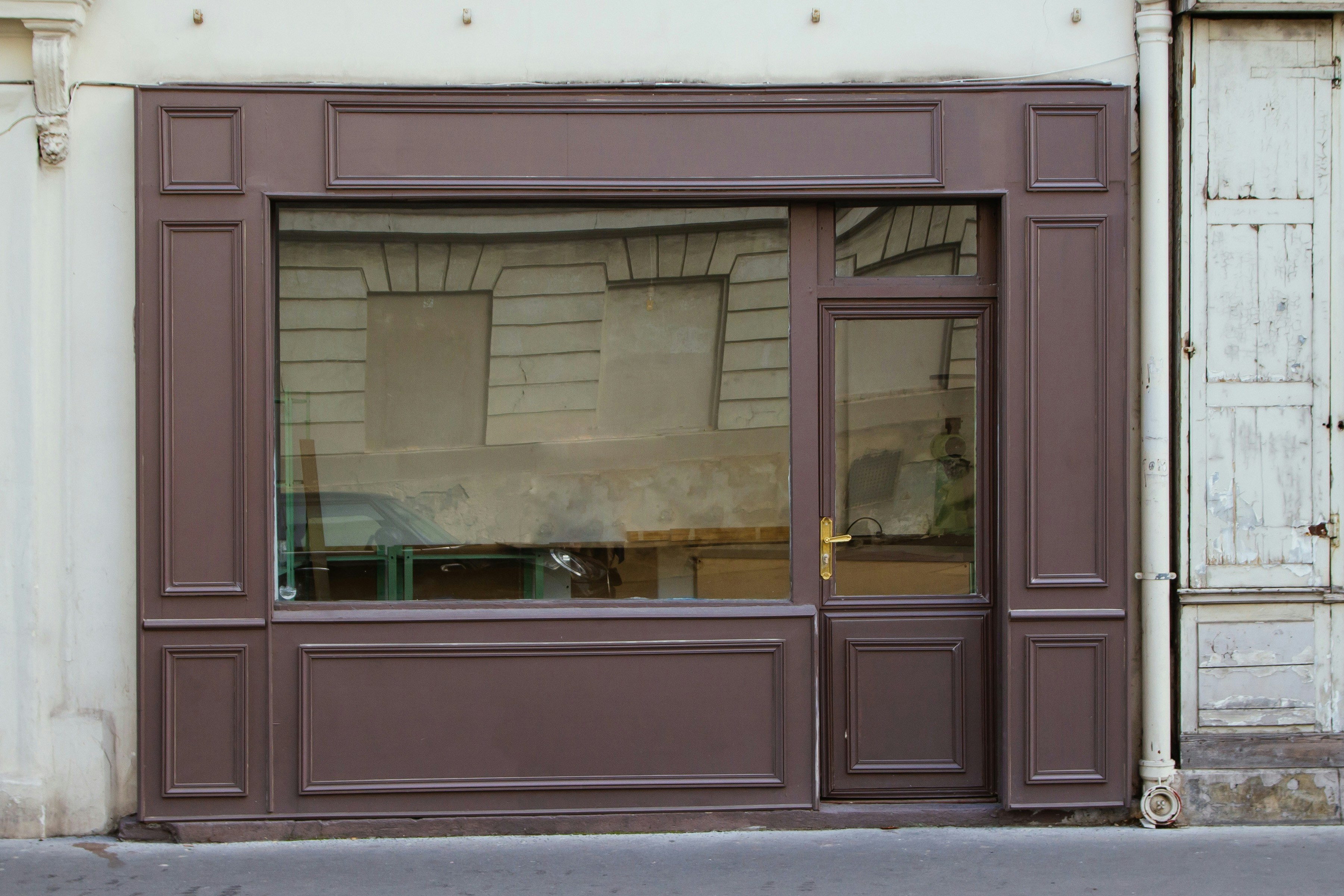
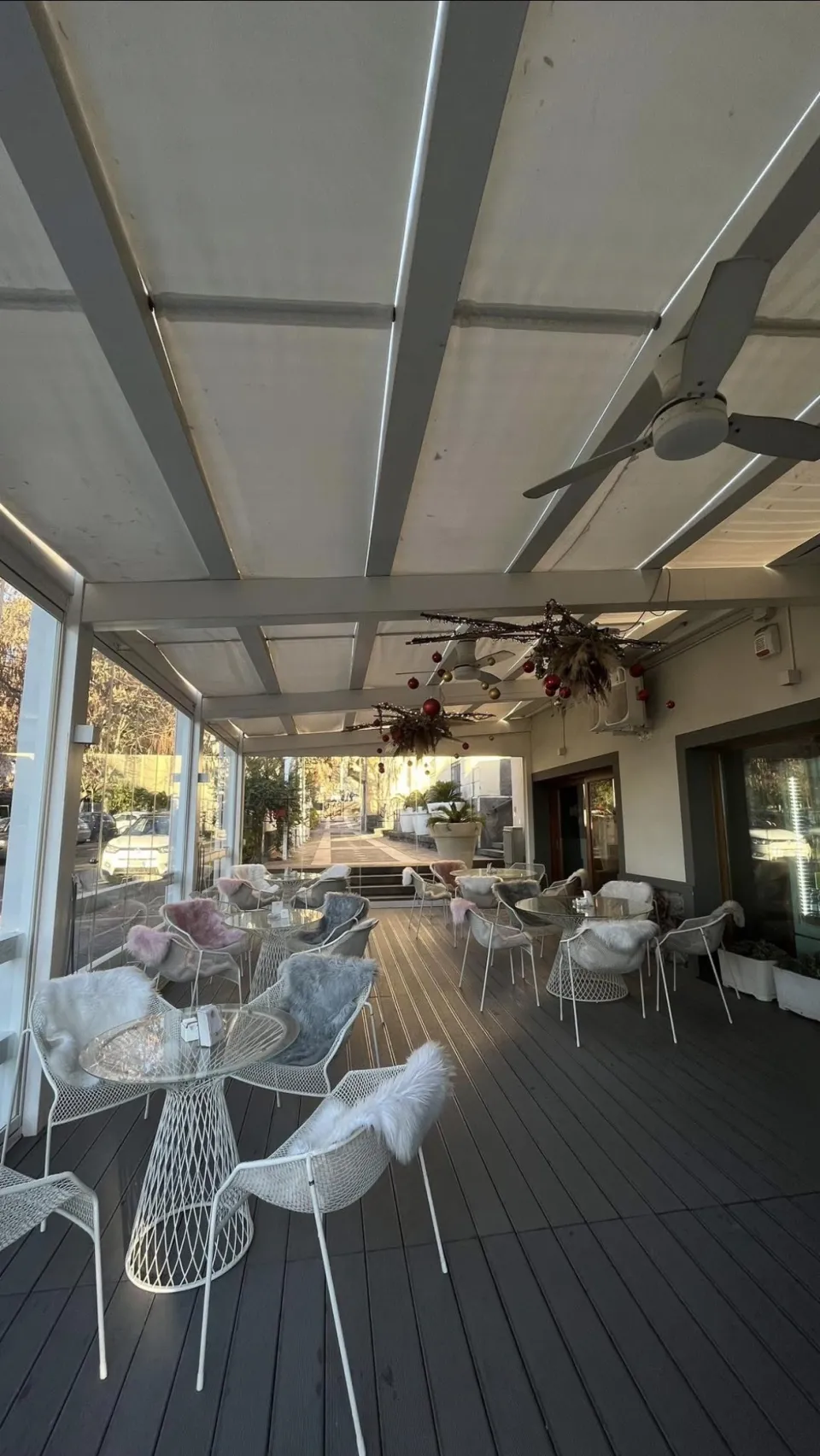
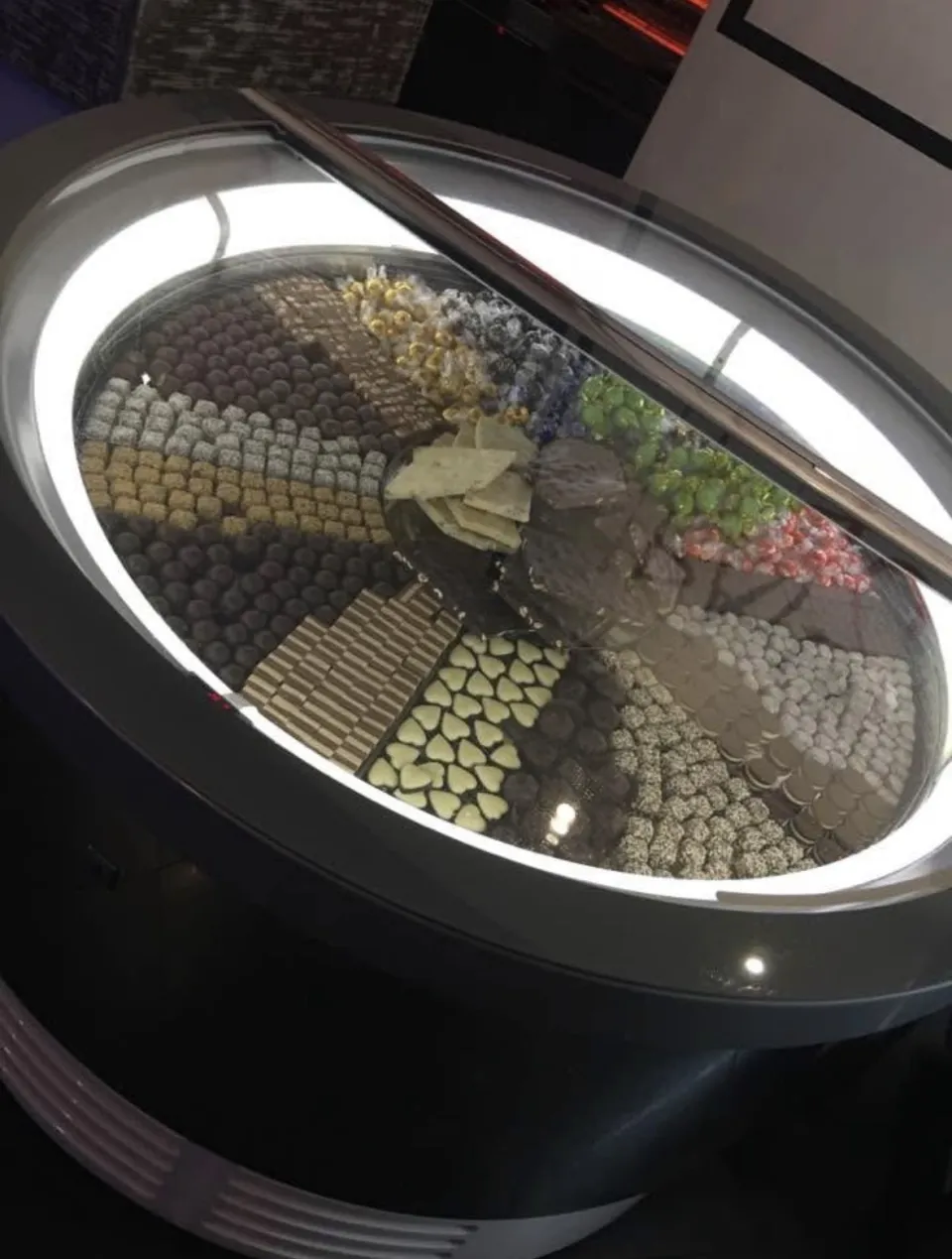
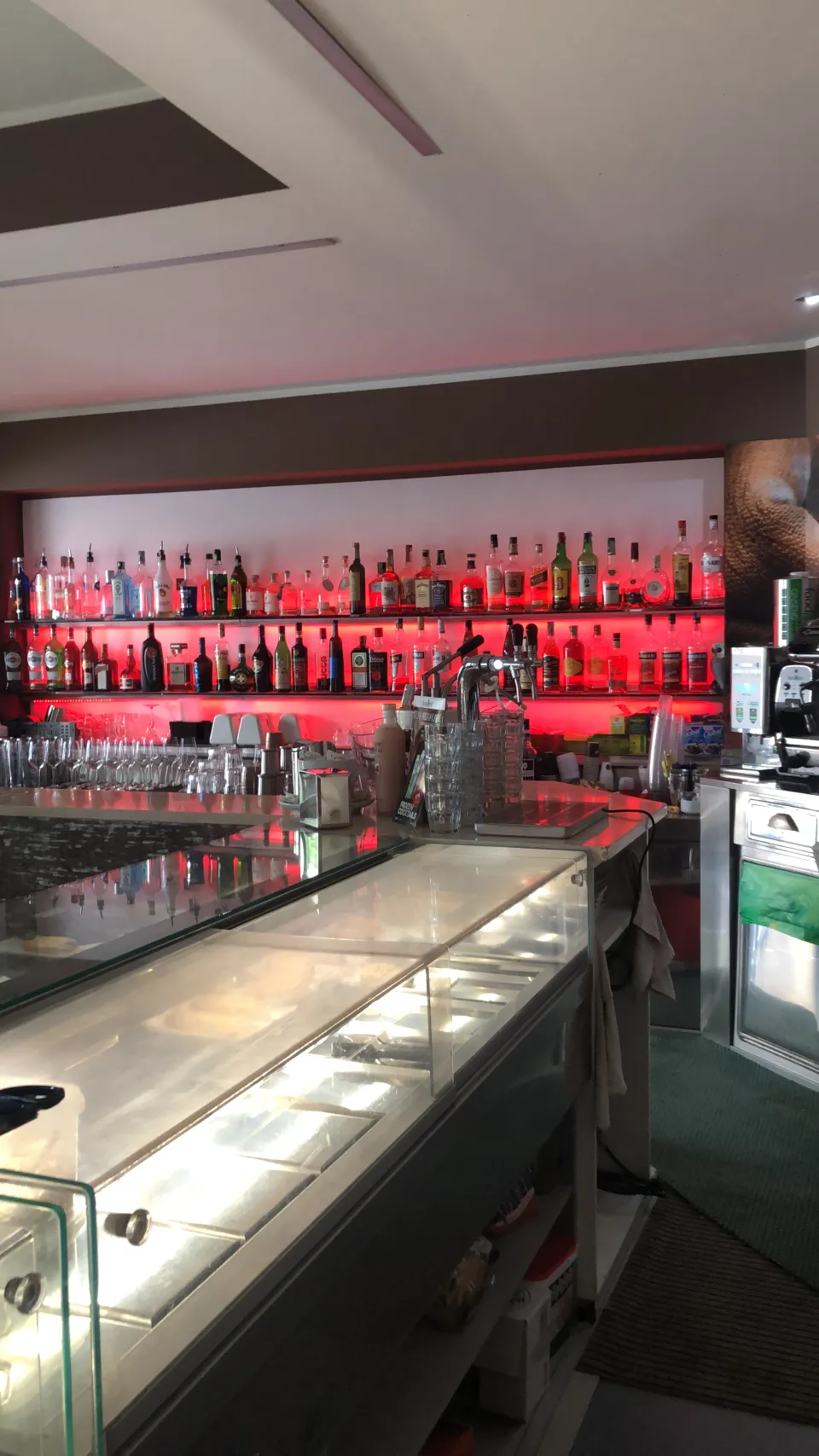
Only 1 result(s) found with your current filters. Want to see more options?
See more premisesPremises for sale in Sardinia
Commercial property opportunities across the region of Sardinia
Sardinia, as one of Italy’s twenty official regions, offers a diverse and distinctive setting for those seeking commercial properties for sale. The island’s unique position in the Mediterranean, coupled with its blend of historic towns, coastal resorts and productive inland areas, creates a range of possibilities for business premises. Whether you are considering the main cities such as Cagliari and Sassari, or exploring smaller centres, the region’s economic and urban landscape shapes the availability and character of commercial real estate. For buyers interested in commercial properties for sale in Sardinia, understanding the local context is key to making informed comparisons.
Types of commercial premises available in Sardinia
Commercial property for sale in Sardinia covers a range of physical units, each reflecting the island’s geography, urban development and business activity. The type of premises you consider will depend on your intended use, whether you plan to occupy the property or let it to a tenant. Below are some of the most relevant categories of commercial premises you may encounter when searching for properties in the region.
Street-facing retail units in urban centres
In Sardinia’s larger cities such as Cagliari, Sassari and Olbia, street-facing retail units are commonly found along main shopping streets and within established neighbourhoods. These properties often feature direct access from the pavement, display windows, and ground-floor layouts suitable for a variety of retail or service uses. Their visibility and proximity to pedestrian flows can be important factors for businesses relying on customer access and local footfall. Buyers should consider the specific characteristics of each street and the surrounding commercial environment.
Commercial premises in historic town centres
Many Sardinian towns, including Alghero and Oristano, have historic centres (centri storici) where commercial premises are integrated into older buildings. These units may offer unique architectural features, but can also present challenges in terms of internal layout, renovation requirements and planning constraints. Buyers looking at commercial properties for sale in Sardinia’s historic centres should pay close attention to building condition, permitted use and any restrictions linked to the preservation of local heritage.
Units in residential neighbourhoods and smaller municipalities
Across the region, commercial units are also available in residential areas and in the centres of smaller municipalities. These premises often serve local residents, providing retail, personal services or professional offices. Their characteristics may differ from those of city-centre shops, with varying floor areas, access arrangements and levels of passing trade. Such properties may appeal to buyers seeking to establish a presence in a community setting or to acquire premises with more accessible purchase prices compared to major urban locations.
Properties in productive or artisan districts
Sardinia’s economic landscape includes productive areas dedicated to light industry, logistics, or artisan activities. Commercial properties in these districts are typically designed for workshops, showrooms, small-scale manufacturing or distribution. These units may offer larger internal spaces, external yards or technical installations suited to specific business requirements. Buyers should verify the destinazione d’uso (authorised use) and technical specifications to ensure compatibility with their intended activity.
Comparing commercial areas and localities within Sardinia
The region of Sardinia is characterised by a patchwork of cities, towns and rural municipalities, each with its own commercial profile. Cagliari, as the regional capital, offers a concentration of retail and service premises, particularly in neighbourhoods like Stampace and the Marina district. Sassari and Olbia are significant commercial hubs in the north, while towns such as Nuoro and Oristano provide local centres of activity. Coastal resorts including Alghero and Villasimius see seasonal business linked to tourism, with commercial properties often catering to visitors. In contrast, inland municipalities may focus on serving resident populations and local production. When comparing commercial properties for sale in Sardinia, consider factors such as access, proximity to main roads, public transport links, and the economic orientation of each area.
Key considerations before purchasing a commercial property
Before committing to a commercial property purchase in Sardinia, buyers should carefully examine both the physical and legal characteristics of the premises. Assess the floor area, internal layout, number and size of shop windows, and the general condition of the unit. Check for required technical installations, such as ventilation, extraction or accessible toilets, especially if you plan to adapt the premises for a particular business. Review any condominium regulations (regolamento condominiale) that may affect use or renovations, and enquire about service charges or planned building works. It is also essential to verify ownership, the presence of mortgages or encumbrances, and the status of occupancy. If the property is already let, review the existing rental agreement and be aware that the sale does not automatically end a tenancy under Italian law.
Cadastral records, planning status and authorised use
In Italy, the Catasto (cadastral register) documents the classification, floor area and planimetria (plan) of every property. For commercial units, the relevant categoria catastale, such as C/1 for shops, should correspond to the intended use. However, cadastral classification alone does not guarantee planning or business authorisation. Buyers must also check the destinazione d’uso (permitted use) as established by local planning and building regulations. Compliance with planning and building records (conformità urbanistica) is crucial, as is possession of an Attestato di Prestazione Energetica (APE) where required. Certain activities may require administrative procedures through the SUAP (Sportello Unico per le Attività Produttive) or a SCIA (Segnalazione Certificata di Inizio Attività), depending on the Comune and the type of business. Restrictions may also arise from condominium rules or heritage protection, particularly in historic centres.
What influences commercial property prices in Sardinia?
The asking price of a commercial property in Sardinia is influenced by a combination of physical, locational and legal factors. Properties in city centres or on main shopping streets, such as Via Roma in Cagliari or Corso Vittorio Emanuele II in Sassari, often command higher prices due to visibility and customer access. In contrast, units in residential neighbourhoods or smaller municipalities may be available at more accessible price points. Other factors include floor area, shopfront characteristics, internal condition, technical installations, and the need for renovation. The status of occupancy, whether the property is vacant or let to a tenant, can also affect value, as can the permitted use and any planning or building restrictions. Buyers should compare properties in light of their specific objectives and the real differences between localities within the region.
The Italian purchase process: documents, taxes and the role of the notary
Acquiring commercial property in Sardinia involves a series of legal and administrative steps established by Italian law. The process may begin with a proposta d’acquisto (purchase proposal) and proceed to a contratto preliminare (preliminary contract), before completion by rogito notarile (the final notarial deed). The Italian notaio is responsible for preparing and formalising the transfer, registering the sale, and ensuring compliance with legal requirements. Buyers should review all relevant documents, including visure catastali (cadastral records), planimetria catastale, ownership documentation, planning and building records, and existing tenancy agreements where applicable. Transaction costs may include imposta di registro (registration tax), IVA (VAT) where applicable, imposta ipotecaria and imposta catastale, as well as notarial fees. The precise tax treatment depends on the nature of the parties, the property and the transaction structure. International buyers should also consider any cross-border tax or reporting obligations in their home country, and may wish to consult a qualified professional familiar with Italian and international property taxation.
Understanding the difference: property purchase, rental and business acquisition
Purchasing a commercial property in Sardinia means acquiring ownership of the physical real estate, such as a retail unit, shop premises or commercial space, under the Italian legal framework. This is distinct from renting a property, where the occupier gains the right to use the premises via a lease agreement but does not become the owner. Acquiring an operating business is a separate transaction, often referred to in Italy as cessione d’azienda or cessione di attività, which may involve the transfer of business operations, goodwill, stock and other assets, but does not necessarily include ownership of the underlying premises. It is essential to distinguish between these categories: a property can be sold without the business itself being transferred, and vice versa. The owner of a commercial property may differ from the business operator occupying the premises. Buyers should ensure they understand precisely what is included in any transaction and seek appropriate professional advice where necessary.
Advertise your commercial property for sale in Sardinia on traspasso.com
If you own a commercial property in Sardinia and wish to sell, traspasso.com enables you to publish an advertisement directly to interested buyers. Present clear details including the floor area, internal layout, shopfront, current condition, cadastral category if known, and whether the property is vacant or let. High-quality photographs and accurate location information can help potential buyers assess your property. Including the Attestato di Prestazione Energetica (APE) and the asking price can also provide valuable context for enquiries.
Find commercial properties for sale in Sardinia on traspasso.com
Buyers searching for commercial properties for sale in Sardinia can browse a variety of advertised units on traspasso.com. Listings include key details such as property descriptions, locations, photographs and characteristics. You can compare available properties, contact advertisers directly to request further information, ask for documentation, or arrange a viewing. This approach allows you to assess and shortlist commercial real estate options across the region according to your specific requirements.
Frequently asked questions about commercial properties for sale in Sardinia
What types of commercial property can be found in Sardinia?
In Sardinia, commercial properties for sale include street-facing retail units in urban centres, premises within historic town centres, units in residential neighbourhoods and properties in productive or artisan districts. These categories reflect the region’s varied urban and economic landscape. Physical characteristics, permitted use and technical specifications differ between property types, so buyers should consider their intended activity and examine each unit’s suitability.
Which areas or municipalities in Sardinia should I compare when searching for commercial premises?
Key areas to compare include Cagliari, Sassari, Olbia, Nuoro and Oristano, as well as coastal towns like Alghero and Villasimius. Each municipality or district offers different commercial environments, customer bases and property characteristics. For example, city centres may prioritise retail, while inland municipalities might focus on local services or production. Access, transport links and economic orientation vary across the region.
What factors can influence the asking price of a commercial property in Sardinia?
Asking prices depend on location, such as whether the property is in a city centre, tourist area or residential district. Other factors include floor area, shopfront, internal condition, technical features, permitted use and the status of occupancy. Properties on prominent streets or in busy commercial zones often command higher prices, while those in smaller municipalities or less central locations may be more accessible.
What should I check before buying a commercial property in Sardinia?
Buyers should assess the property’s physical condition, floor area, internal layout, technical installations and accessibility. Review ownership documentation, verify the absence of encumbrances, and check planning and cadastral records. If the property is already let, examine the existing rental contract. Also consider condominium regulations, service charges and any restrictions affecting renovations or use of the premises.
How do Catasto, planning status and SUAP procedures affect commercial property in Sardinia?
The Catasto records a property’s cadastral classification and plan, but this does not automatically authorise every business use. Planning status (conformità urbanistica) and destinazione d’uso must be checked to confirm permitted activities. SUAP (Sportello Unico per le Attività Produttive) and SCIA procedures may apply for certain business activities, especially when opening or changing the use of commercial premises.
What are the main stages and costs involved in buying a commercial property in Sardinia?
The purchase process may involve a purchase proposal, a preliminary contract and the final notarial deed (rogito notarile). The notaio formalises the transfer, registers the sale and verifies compliance with Italian legal requirements. Costs can include registration tax, VAT (where applicable), notarial fees and other transaction expenses. The precise tax treatment depends on the property, the parties and the transaction structure.
How does buying a property differ from renting or acquiring a business in Sardinia?
Buying a commercial property means acquiring ownership of the physical premises. Renting involves obtaining the right to use the property through a lease, without ownership. Acquiring a business (cessione d’azienda) involves purchasing the business operation, which may or may not include the property itself. Each transaction type involves distinct legal and practical considerations under Italian law.
Where can I find commercial properties for sale in Sardinia?
You can browse commercial properties for sale in Sardinia on traspasso.com, where owners and advertisers publish detailed listings. The platform allows you to compare available commercial real estate, review property descriptions and contact advertisers directly to request further information or arrange a viewing. This enables buyers to assess a wide range of opportunities across the region.
Post what you're looking for
Describe the type of business you're interested in and let sellers contact you directly. Quick, easy and no commitment.
Your information will only be visible to verified sellers.