

How to sell a pizzeria in Italy: valuation, documents and business transfer
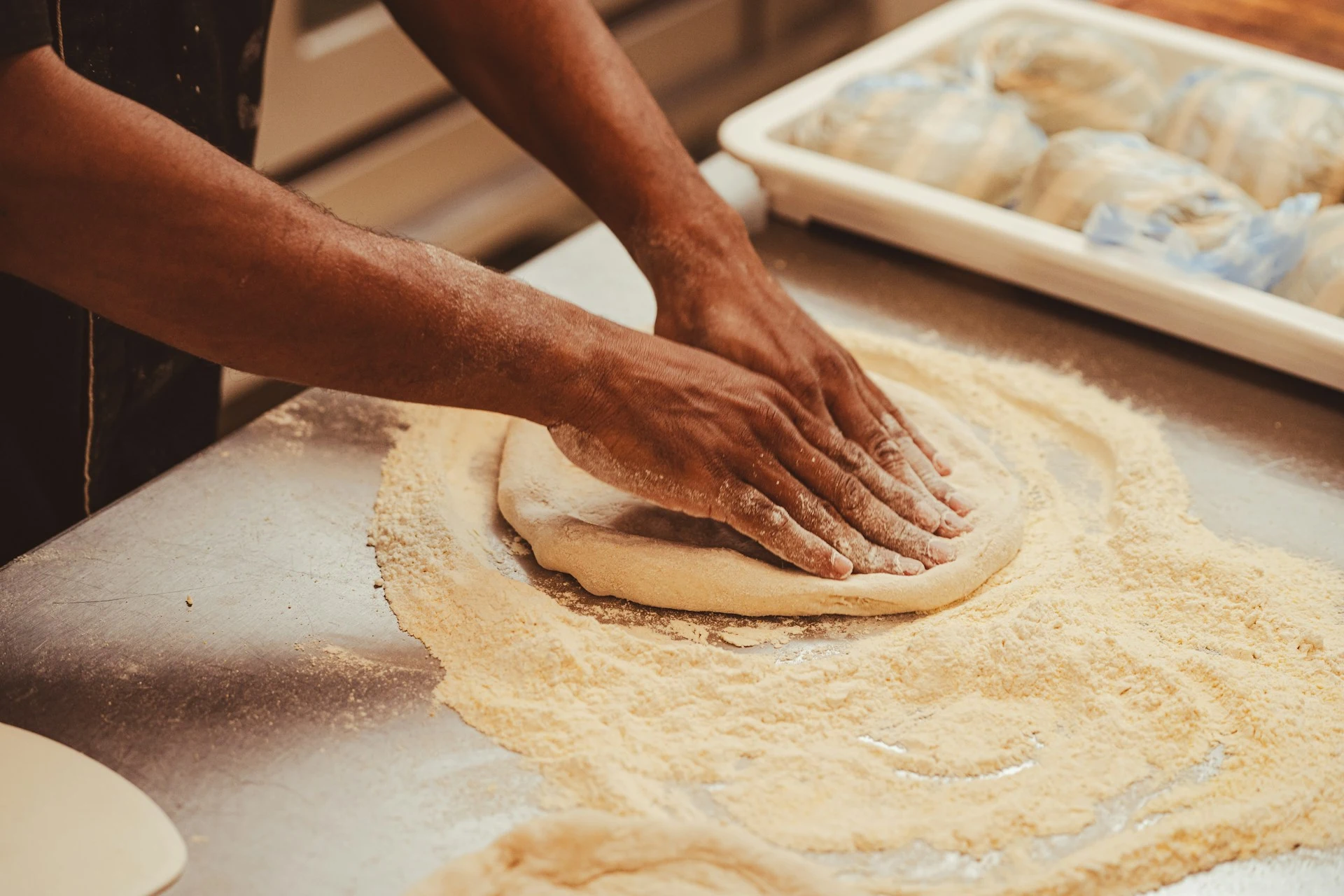
Selling a pizzeria means transferring a business whose value does not depend only on the premises and equipment. Profitability, the commercial lease, staff, the oven, the customer base, reputation, the weight of takeaway and delivery and, above all, the ability of the business to keep running once the former owner is no longer there all matter too.
Before you publish a listing, decide exactly what you will transfer, review the business numbers and prepare the documents a potential buyer will want to analyse. A pizzeria that is well organised and easy to understand is also easier to present to someone considering buying it.
What it means to sell a pizzeria
Not every pizzeria sale has the same structure. If you transfer the organised whole that allows the business to continue operating, the deal can be structured as a business transfer. If the pizzeria is owned by a company, in other cases you might transfer the equity interests. You can also sell only certain assets, but selling the oven, furniture and equipment does not necessarily mean you are transferring the pizzeria as a going concern.
Business transfer, equity interests or sale of individual assets
The difference matters because it can have distinct consequences for contracts, employees, administrative procedures and tax.
Before you look for a buyer, you must define precisely what you want to sell. Presenting a pizzeria for sale in vague terms, without defining the scope of the deal, can create problems once checks begin.
What can be included in the sale
A transfer can include the oven, dough mixer, fridges, cold rooms, kitchen, furniture, tables, chairs, stock, signage, brand, website, domain, phone numbers, booking systems and other elements of the business.
You can add goodwill, certain contracts and other intangible assets. However, not everything passes automatically to the buyer. Equipment under leasing, assets held in comodato, supplier contracts or digital services must be reviewed individually.
Before selling, identify your pizzeria’s real model
Simply saying “pizzeria” can describe very different businesses. A pizzeria with eighty covers and dinner service has a different cost structure from one focused almost exclusively on takeaway. A pizzeria that generates a large share of orders through delivery platforms also has specific costs, margins and risks.
Pizzeria with table service
In a pizzeria with a dining room, the number of covers, table turns, average spend, opening days, front-of-house staff and the ability to generate income beyond pizza, for example through drinks, starters and desserts, all count.
The buyer will also assess the size and layout of the premises, the kitchen, toilets, any terrace and the possibility of maintaining current operating capacity.
Takeaway pizzeria
In a takeaway-led model, location, ease of access, production speed, kitchen organisation and oven capacity at peak times matter more.
A small premises can be highly profitable if production is efficient and it has a loyal customer base. That is why square metres alone say little about the business’s value.
Pizzeria with delivery
When a significant share of orders comes through external platforms, revenue must be analysed alongside commissions and other related costs.
A given volume of sales generated through a high-cost channel does not necessarily produce the same result as the same volume of direct sales.
Mixed model across dining room, takeaway and delivery
Many pizzerias combine several channels. In these cases it is especially useful to split revenue so you can see where sales really come from.
For a buyer, knowing that a large share of sales comes from regulars who order directly can be very different from finding that the business depends mainly on an external platform.
How much a pizzeria is worth
There is no single formula that tells you how much a pizzeria is worth. Automatically applying a percentage to revenue or a multiple found online can produce an unreliable valuation. Two pizzerias with the same revenue can have completely different rents, staff costs, margins, equipment and owner dependence.
Revenue, margins and profitability
The first step is to understand what the business really generates after its costs. Beyond revenue, you must analyse raw material purchases, staff, rent, utilities, delivery commissions, maintenance, outsourced services and other operating expenses.
Be ready to show consistent data over several years and explain any variations. A fall in revenue might be due to a pizzaiolo leaving, works at the premises or reduced opening hours, while growth could have been driven by promotions that squeezed margins.
Dining room, takeaway and delivery revenue
Splitting the channels makes it much easier to understand the pizzeria. If the seller only declares total revenue, the buyer will still need to work out how much comes from table service, how much from takeaway and how much from platforms.
This split also helps assess the business’s sustainability after the change of owner.
Number of covers and table turns
For a pizzeria with table service, the number of available seats is useful but not enough. Actual occupancy, the busiest days and times, seasonality and the ability to use the same table several times during a service all matter.
These data points explain how the establishment really works better than the bare number of seats.
Location and footfall
Location can heavily influence your customer base. A pizzeria in a residential neighbourhood may rely mainly on repeat business and takeaway, while one in a tourist area may depend more on seasonal flows.
Accessibility, parking, visibility and nearby businesses must be assessed alongside the commercial model.
Rent and remaining lease term
A great location loses part of its appeal if the rent is too high relative to profitability.
A potential buyer will want to know the rent amount, remaining term, any indexation, deposit, guarantees and other relevant terms.
Equipment, oven and condition of installations
In a pizzeria the oven plays a far bigger operational role than in many other food businesses.
You must specify its type, capacity, age, maintenance and ownership clearly. The same applies to mixers, walk-in fridges, fridges, the kitchen, dishwasher, extraction systems and other equipment.
The price paid years ago does not automatically represent current value.
Brand, reviews and regular customers
A pizzeria known in its area may have goodwill whose value goes beyond the premises themselves.
Reviews, brand recognition, recurring customers and the ability to generate direct orders are all worth analysing, especially when they do not depend solely on the owner’s presence.
How much the pizzeria depends on the owner or the pizzaiolo
One of the most overlooked risks when selling a pizzeria is dependence on a single person.
A pizzeria may perform well because the owner prepares the dough, manages the oven, selects raw materials and knows every phase of production. If that person leaves immediately after the sale, the buyer may not be able to reproduce the same product.
What happens if the lead pizzaiolo leaves
If perceived quality depends on a specific pizzaiolo, their staying on can matter a great deal.
Before putting the pizzeria up for sale, identify who is truly essential to day-to-day operations and what the impact of their departure would be. The same can apply to kitchen leads, front-of-house staff or others with strong client relationships.
Recipes, dough and operating procedures
Fermentation times, hydration, quantities, suppliers, temperatures, preparations and service organisation may be knowledge held only by the owner.
Documenting at least the main procedures makes operational continuity easier. The goal is not to turn the pizzeria into a standardised chain, but to avoid the buyer discovering after completion that a significant part of how it works was not transferred.
How to reduce dependence on one person
A setup where several people know the procedures, suppliers are documented and the organisation does not depend entirely on the owner is easier to transfer.
In some transfers, the parties can also agree a handover period to support the operational transition.
Oven, kitchen and equipment: what the buyer should check
In a pizzeria, installations can directly affect whether you can continue operating without immediate investment. A generic inventory that only says equipment is included is not enough.
Wood-fired, electric or gas oven
You must specify the oven’s type, ownership, condition and maintenance.
The buyer may also want to check whether the installation fits their production model and the technical and administrative conditions applicable to the premises.
Flue and extraction system
The flue, extraction and ventilation deserve a specific review because any works can be costly or difficult to carry out.
Before the sale, gather the available documentation and clarify the works carried out over time.
Cold rooms, fridges and kitchen equipment
The same approach applies to mixers, refrigerated tables, blast chillers where present, dishwashers, fridges and other equipment.
Their age and maintenance history can affect both the price and the investments the buyer will need to make after acquisition.
Owned, leased and rented equipment
Not everything physically on the premises necessarily belongs to the seller.
POS systems, dispensers, fridges or other equipment may be tied to leasing, rental, comodato or supply contracts. These relationships must be identified before you decide what is included in the price.
Licences and requirements to change ownership of a pizzeria
Keeping the business running after the transfer requires checking the procedures in the municipality and region where the pizzeria is located.
Procedures can also vary depending on the type of activity actually carried out, for example restaurant service open to the public, artisanal production or takeaway sales.
SCIA and notifications to the SUAP
For changes of ownership in food and beverage service activities, administrative procedures are normally filed through the competent SUAP.
Do not assume every pizzeria follows exactly the same procedure. Before the transfer, verify which process applies to the specific situation and what other obligations may be connected.
Requirements to serve food and beverages
Italian rules set moral and professional requirements to operate food businesses and serve food and beverages.
The professional requirement can be met by the owner or legal representative or, in the cases provided for, by a person appointed to the activity. A buyer should therefore check their position before formalising the change of ownership.
Food safety and HACCP
A change of owner does not remove obligations related to food hygiene.
Food business operators must apply procedures based on HACCP principles and comply with food safety rules.
The buyer should understand the pizzeria’s organisation, procedures and documentation, and check what will need updating after completion.
Terrace, use of public space and other authorisations
If the pizzeria uses outdoor tables, signage, public space or other authorisations tied to the premises, review them separately.
Do not assume any permit or concession will automatically remain linked to the business after the sale and on the same terms.
Documents to prepare before putting the pizzeria up for sale
A genuinely interested buyer will want to verify the key information before committing.
Preparing documents in advance also helps the seller spot issues that could slow down the deal.
Financial and tax documentation
It must be possible to reconstruct the business’s income, costs and results with documentation consistent with its legal form and tax regime.
Where possible, split revenue by channel. Figures that are hard to explain or impossible to document undermine the listing’s credibility.
Commercial lease
The buyer should be able to see the term, rent, deposit, any guarantees and relevant clauses.
When the lease is transferred with the business, Italian rules on commercial leases set specific rules for assignment and for notifying the property owner. The specific lease must be reviewed before you promise a buyer they can keep the premises on the same terms.
Business documentation and inventory
Gather documents related to operations and prepare a clear inventory of the oven, kitchen, furniture, equipment and stock.
The inventory should also indicate which assets are not owned by the seller.
Supplier contracts and delivery platforms
Beverage, coffee, raw materials, energy, software and delivery platform agreements can affect both operations and costs.
The buyer needs to distinguish relationships that can be transferred from those that will require new agreements.
What happens to employees when you sell a pizzeria
When the deal qualifies as a business transfer, Italian law protects the continuity of employment relationships.
The employment relationship continues with the buyer and the transfer, by itself, is not grounds for dismissal. This means staff cannot simply be treated as something outside the deal when the law provides for continuity of employment.
Why the pizzaiolo, kitchen and front-of-house staff affect value
For a buyer, staff are both a cost and an operational component of the business.
An experienced pizzaiolo who knows the dough and procedures can be crucial to maintaining the product. Likewise, a stable front-of-house team can help preserve continuity with customers.
Analyse the role, length of service, cost and how dependent the business is on each person.
How the commercial lease affects the sale of the pizzeria
In food businesses, the premises can strongly influence value. If the pizzeria performs well because of its location, losing those premises soon after purchase can change the deal completely.
Italian law allows, under certain conditions, the lease to be assigned together with the business even without the landlord’s prior consent, although it imposes notification obligations and allows opposition for serious reasons.
This does not remove the need to review the lease. The remaining term, economic conditions and obligations must be analysed before the sale.
Delivery and takeaway: what the buyer should know
Delivery can increase revenue but not necessarily profitability in the same proportion. For this reason, the seller should avoid presenting online order volume as if it were equivalent to direct sales.
Platform commissions and real margin
The buyer should be able to see what really remains after commissions, promotions, packaging and other delivery-related costs.
A pizzeria that is very dependent on these platforms may have a significant source of customers, but also a cost structure that needs careful analysis.
Accounts, contracts and reputation
Presence, ratings and history on the platforms can have commercial value.
However, you need to check how the accounts are managed and what the contractual terms are, without assuming each relationship will transfer automatically with the pizzeria.
Reviews, Google, social media and other digital assets
Online reputation can heavily influence how customers choose a pizzeria.
Google Business Profile, website, domain, social media, booking systems and phone numbers should be identified before the sale. Also check who owns each account and who has access.
Any customer databases must also be handled in line with personal data protection rules. Selling the business does not mean you can transfer any contact list and use it freely for any purpose.
How to prepare the pizzeria before you put it up for sale
Preparing properly means making the business easy to understand.
A potential buyer should quickly see how the pizzeria makes money, its main costs, which assets are included and what risks they need to assess.
Realistic photos of the premises, dining room, oven and equipment are more useful than generic images. The description should also include concrete information such as service model, number of covers, whether there is takeaway or delivery and the staff structure.
More sensitive information does not need to be published in the listing. Tax documents, employees’ personal data or other confidential information can be shared later with genuinely interested parties.
How to write a listing to sell a pizzeria
A good listing should not promise the pizzeria is a once-in-a-lifetime opportunity or guarantee specific profits. It must help readers understand what is on offer.
Area, format, size, covers, oven type, presence of a kitchen, staff, sales channels and the main elements included are more useful than generic sales phrases.
If you state revenue or other financial data, they must be consistent with the documentation you can later provide.
How to find potential buyers for a pizzeria
Potential buyers can be entrepreneurs in the sector, pizzaiolos who want to start their own business, operators who already have other establishments or people looking to acquire a business that is already trading.
Listing the pizzeria on traspasso.com gives it visibility among people interested in buying operating businesses and companies.
traspasso.com enables direct contact between the owner and potential buyers. It does not take part in negotiating, checking documentation or formalising the sale and purchase.
When an enquiry comes in, the seller can share the necessary information progressively, arrange a visit and, if interest becomes serious, provide the documentation needed for checks.
From first contact to transferring the pizzeria
The first visit is only the start of the process.
The buyer may want to analyse the numbers, staff, commercial lease, equipment, suppliers and administrative documentation before making an offer.
If the parties reach an agreement, they must define the price, included assets, stock, any debts or obligations to be handled, the completion date and other relevant terms precisely.
For business transfers subject to registration, there are specific formalities and the deed must be filed with the Companies Register in the manner required by law.
Checks and formalisation are the responsibility of the parties and the professionals they choose to hire. traspasso.com does not perform due diligence or draft the transfer agreement.
Taxes and costs when selling a pizzeria
Tax depends on how the deal is structured. A business transfer is not treated the same as a separate sale of different items of equipment.
In general terms, the transfer of the business as a single unit is outside the scope of VAT and is subject to registration tax rules. The exact treatment must be determined based on the composition of the deal.
The seller may also realise a taxable capital gain. Legal form, tax values, price and the seller’s position all affect the calculation.
That is why you should not apply a generic percentage found online to any pizzeria. Before signing, calculate the tax effects based on the business’s real situation.
Mistakes to avoid when selling a pizzeria
The first mistake is setting the price only on the back of what you have invested over the years. An expensive refit or an oven bought long ago does not automatically keep the same value.
Another mistake is showing only revenue without explaining margins and the source of income. In a pizzeria, splitting dining room, takeaway and delivery can change the picture significantly.
It is also risky to ignore dependence on the owner or the lead pizzaiolo, assume the lease will transfer without issues or fail to know which equipment is actually owned by the business.
Lastly, do not wait for a buyer to appear before you start gathering documents. A big part of preparation is fixing inconsistencies and identifying potential issues before you start negotiating.
Frequently asked questions about selling a pizzeria
Can you sell a pizzeria that has debts?
The existence of debts does not automatically prevent a transfer, but their nature must be analysed carefully. Debts to suppliers, employees, the tax authorities or others can have different consequences. Seller and buyer should reconstruct the position before defining the contract and assess the effects with their respective professionals.
Can you put a pizzeria up for sale while it keeps trading?
Yes. You can look for a buyer while the pizzeria is still operating. Keeping the business open also lets you show a real operation. However, handle confidentiality carefully and decide what information to make public in the listing and what to share only with genuinely interested parties.
Can I sell the pizzeria without transferring all the equipment?
It depends on the structure of the deal and the agreement between the parties. Seller and buyer can decide which assets are included, but you must distinguish a sale of individual assets from the transfer of the business as an organised whole. The inventory must make clear which items are being transferred.
Want to sell your pizzeria?
If you are thinking of selling your pizzeria, you can list the business on traspasso.com to reach people interested in buying activities and operating companies. You can describe the premises, the business model and the main features of the offer and receive enquiries directly.
traspasso.com connects owners and potential buyers. The final price, checks, negotiation and formalisation of the transfer are handled directly by the parties and, where needed, by the professionals they choose to hire.